Projects
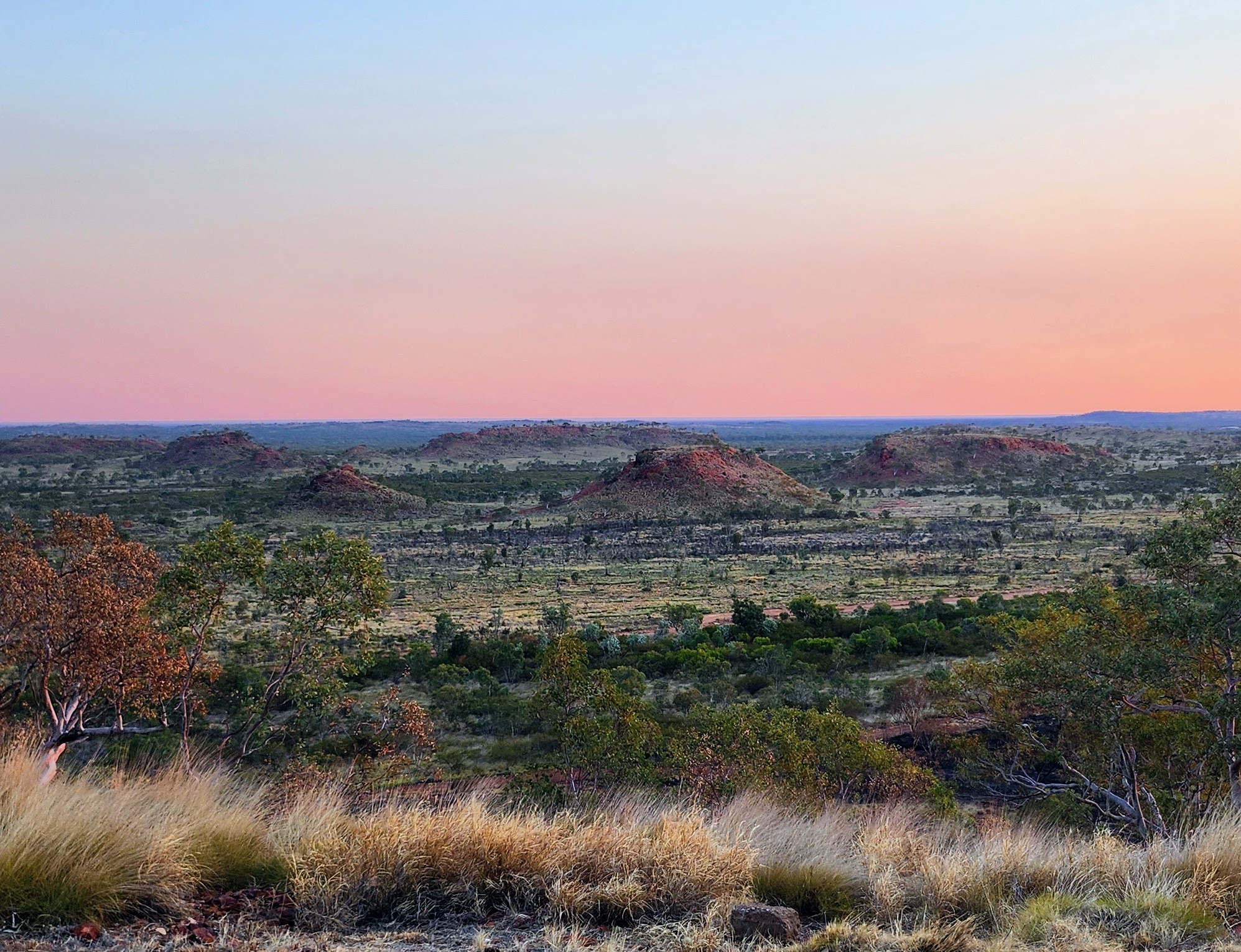
The birth of new Australian Aboriginal Languages
The incursion of English has deeply impacted the linguistic landscape of Australia. In its wake: new languages which are complex amalgamations of English and traditional Australian languages. The number of first-language speakers is growing rapidly, yet speaking these languages is stigmatised and is correlated with poor educational outcomes. Moreover, many questions surround how these languages are formed and sustained. This project will develop a model of how sound systems develop in these languages, with particular attention paid to the role of speaker identity.
The building blocks of language: Words in Central Australian languages
This research will provide social and cultural benefits by working with speakers of Anmatyerr, Kaytetye, and Warumungu — three endangered languages of Central Australia — to provide new knowledge about their structures. The research team will work with speakers to provide high-quality descriptions of complex structures, relating them to Indigenous learning practices as a National Priority area.
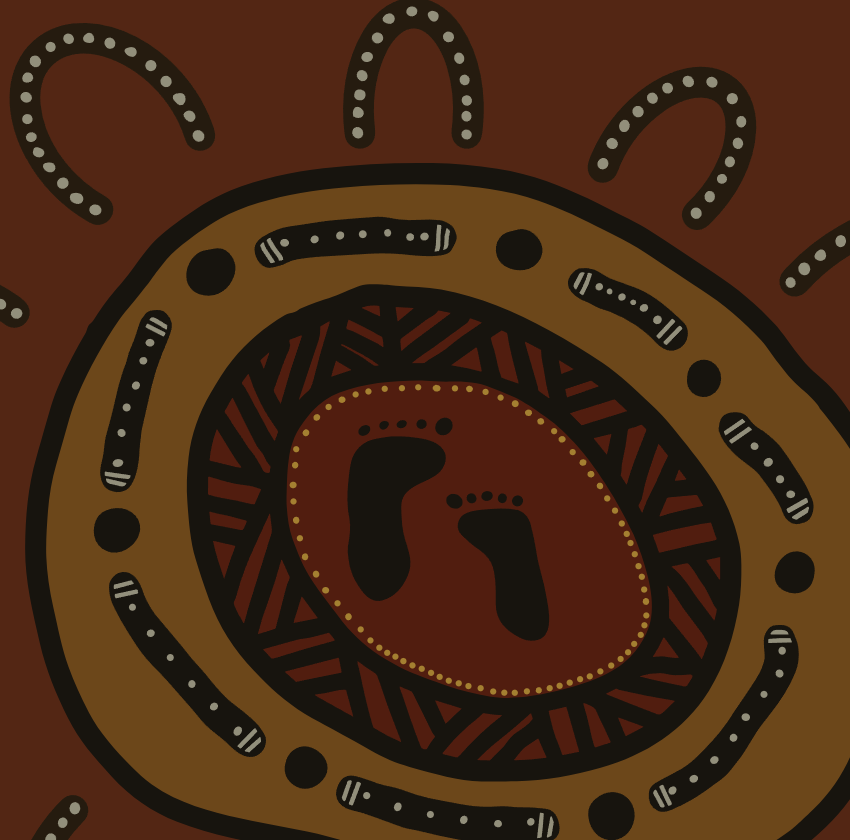
Building employment pathways for Aboriginal people living in the Geelong region
This project involved action research to understand the experiences and stories of local First Nations peoples, communities, and stakeholders within Djilang’s employment and skills ecosystem, identifying barriers, challenges, and what needs to change.
Artwork by Louisa Whettam
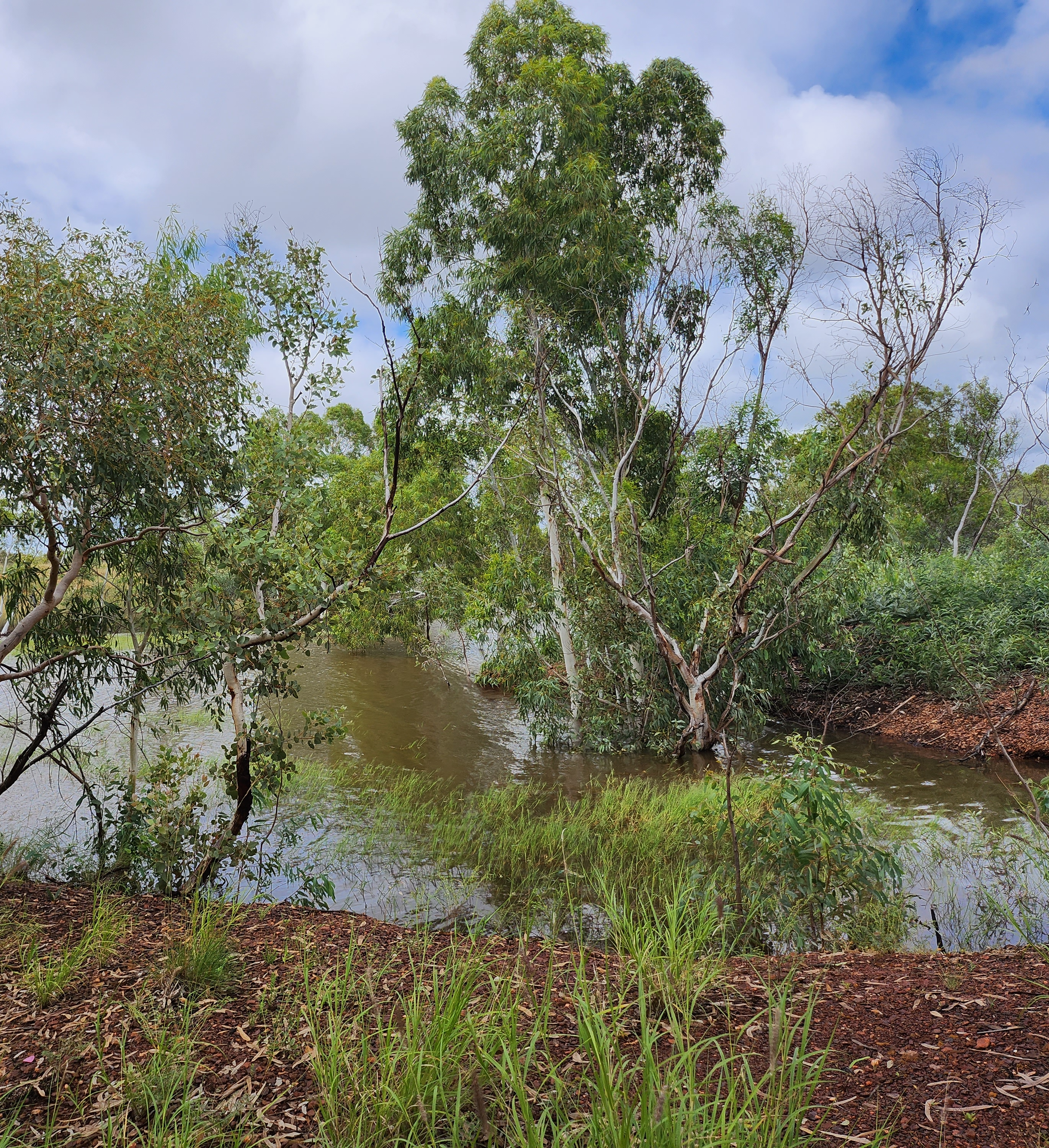
Warlmanpa language documentation & description
Warlmanpa is a highly endangered language spoken in the Northern Territory of Australia. In collaboration with speakers of the language, this project provides long-lasting documentation that serves as the basis for language revitalisation.